CONTENT
Importance of Fodder and Grasslands in Livestock Production
Fodder and grasslands are the foundation of profitable and sustainable livestock production. High-quality forage provides essential nutrients required for growth, milk production, reproduction, immunity, and overall animal health. In the United States, forage-based feeding systems play a major role in beef cattle, dairy cattle, sheep, goat, and horse production.
Grasslands and forage crops support livestock industries by reducing feed costs, improving grazing efficiency, and maintaining soil and environmental health. Well-managed pastures also help farmers and ranchers lower dependence on expensive commercial feeds while improving animal performance.
Forage resources include pasture grasses, legumes, hay, silage, crop residues, and cultivated fodder crops such as alfalfa, clover, ryegrass, sorghum, corn silage, and bermudagrass. These feeds are especially important in grazing-based livestock systems across the United States.
Role of Fodder in Animal Nutrition and Productivity
Balanced nutrition is one of the most important factors affecting livestock productivity. Animals receiving insufficient or poor-quality forage often show reduced growth rate, low milk yield, poor reproductive performance, weight loss, and increased susceptibility to diseases.
Nutritious fodder provides:
- Energy for maintenance and production
- Protein for muscle growth and milk production
- Fiber for proper rumen function and digestion
- Essential vitamins and minerals for immunity and reproduction
- Improved feed efficiency and animal welfare
High-quality forage also helps reduce feed costs, which represent one of the largest expenses in livestock farming.
Importance of Grasslands in Livestock Farming
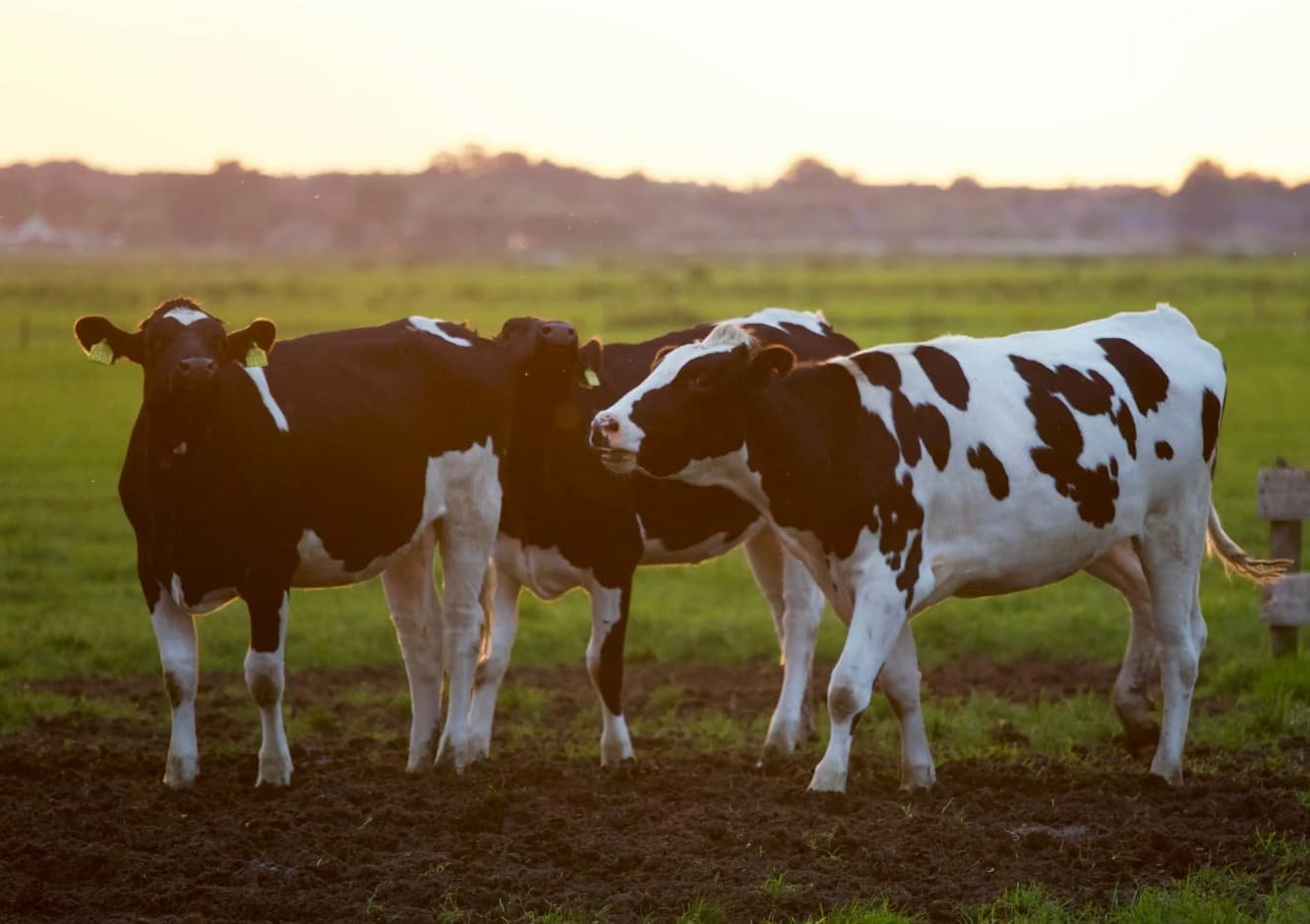
Grasslands are natural or cultivated areas dominated by grasses and forage plants used for grazing livestock. Healthy grasslands are essential for sustainable animal agriculture because they provide economical feed while supporting environmental conservation.
Properly managed grasslands offer several benefits:
- Continuous supply of forage for grazing animals
- Reduced soil erosion and improved soil fertility
- Better water infiltration and moisture retention
- Carbon sequestration and improved ecosystem health
- Wildlife habitat and biodiversity conservation
- Lower feeding and labor costs for producers
Rotational grazing and pasture management practices can significantly improve forage yield and pasture longevity while preventing overgrazing.
Challenges in Fodder Production
Livestock producers often face seasonal shortages of high-quality forage due to drought, overgrazing, climate variability, declining pasture quality, and competition for agricultural land. During periods of forage scarcity, producers may rely heavily on hay, silage, crop residues, or purchased feed supplements.
In many regions, pasture productivity declines because of poor grazing management, weed invasion, soil nutrient depletion, and inadequate irrigation or rainfall. These challenges can directly affect livestock health and farm profitability.
Improving Fodder and Grassland Productivity
Improving forage availability and pasture productivity is essential for sustainable livestock production. Modern forage management practices can help producers maximize feed resources while maintaining long-term soil and pasture health.
Important strategies include:
- Using high-yield and drought-tolerant forage varieties
- Practicing rotational and controlled grazing
- Applying proper fertilization and soil management
- Producing and storing hay and silage for seasonal feeding
- Integrating legumes with grasses to improve forage quality
- Utilizing marginal lands for pasture development
- Managing weeds and preventing pasture degradation
- Incorporating forage crops into crop-livestock farming systems
Conclusion
Fodder and grasslands are critical components of efficient and sustainable livestock production systems. Quality forage improves animal nutrition, productivity, profitability, and environmental sustainability.