CONTENT
Wildlife Conservation: Problems, Protection Measures, and Management
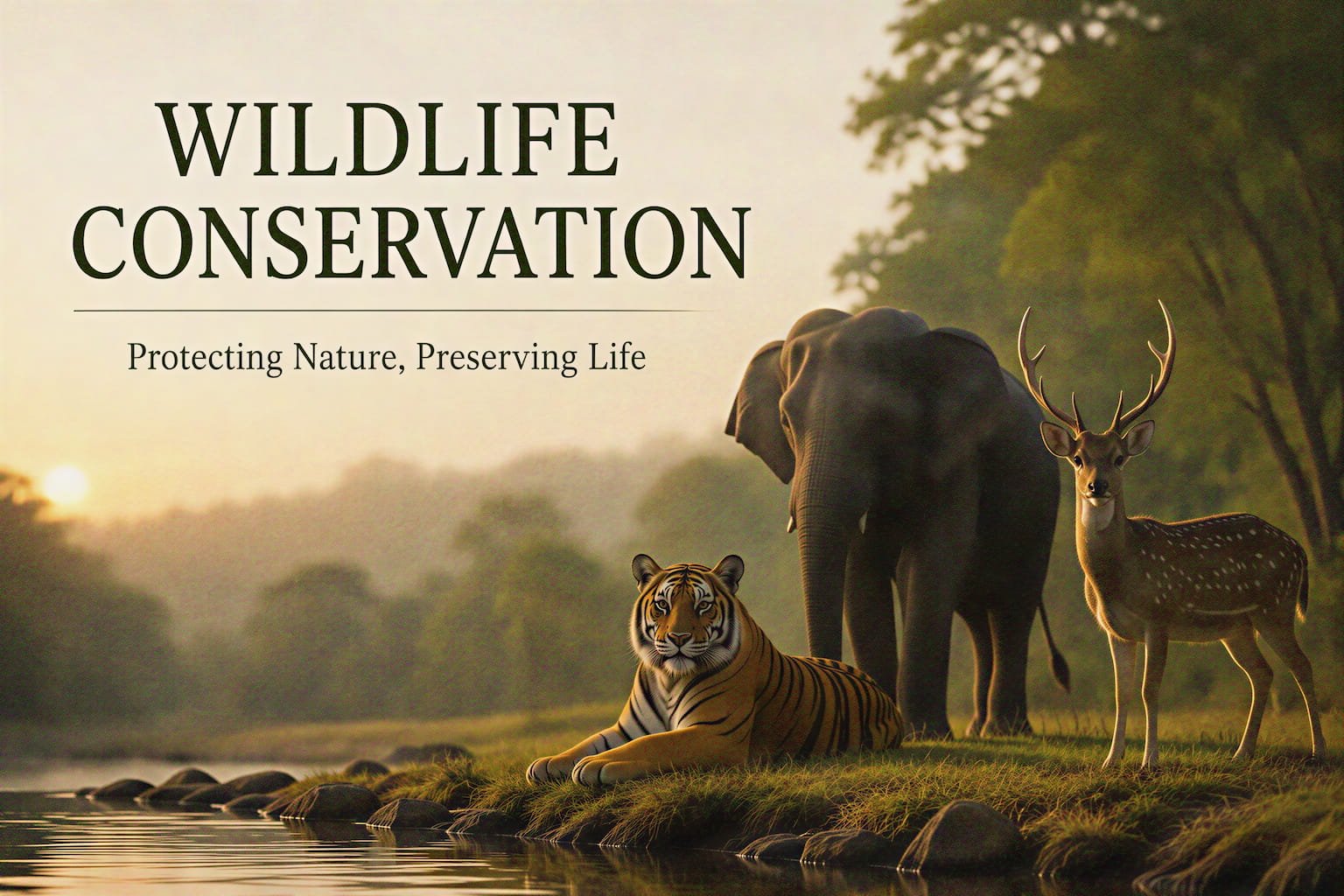
Wildlife conservation involves the protection and management of wild animals and their natural habitats to maintain viable populations and ecological balance. Wildlife faces numerous threats, including habitat loss, hunting, poaching, pollution, human population growth, and competition or disease transmission from domestic livestock.
This article discusses the major challenges in wildlife protection and outlines important measures for effective conservation, including habitat management, protection from exploitation, scientific studies, captive breeding, and rehabilitation.
Forests are public property; they are vast and open and, hence, vulnerable to theft, hunting, killing, poaching, and so on. Therefore, before moving toward the conservation or management of wildlife, it is essential to consider the problems faced in this direction, which are mainly as follows.
- Vast Habitat and Distribution: Wildlife habitat and its distribution are not restricted only to forests but also extend to neighboring rivers, water reservoirs, agricultural fields, and other areas. Hence, its conservation becomes difficult due to such vast areas.
- Economic Problem: Due to the vast habitat area, its conservation and management require substantial funding.
- Enormous Growth in Human Population: It results in the conversion of forests into agricultural fields, hunting of wild animals for food, etc.
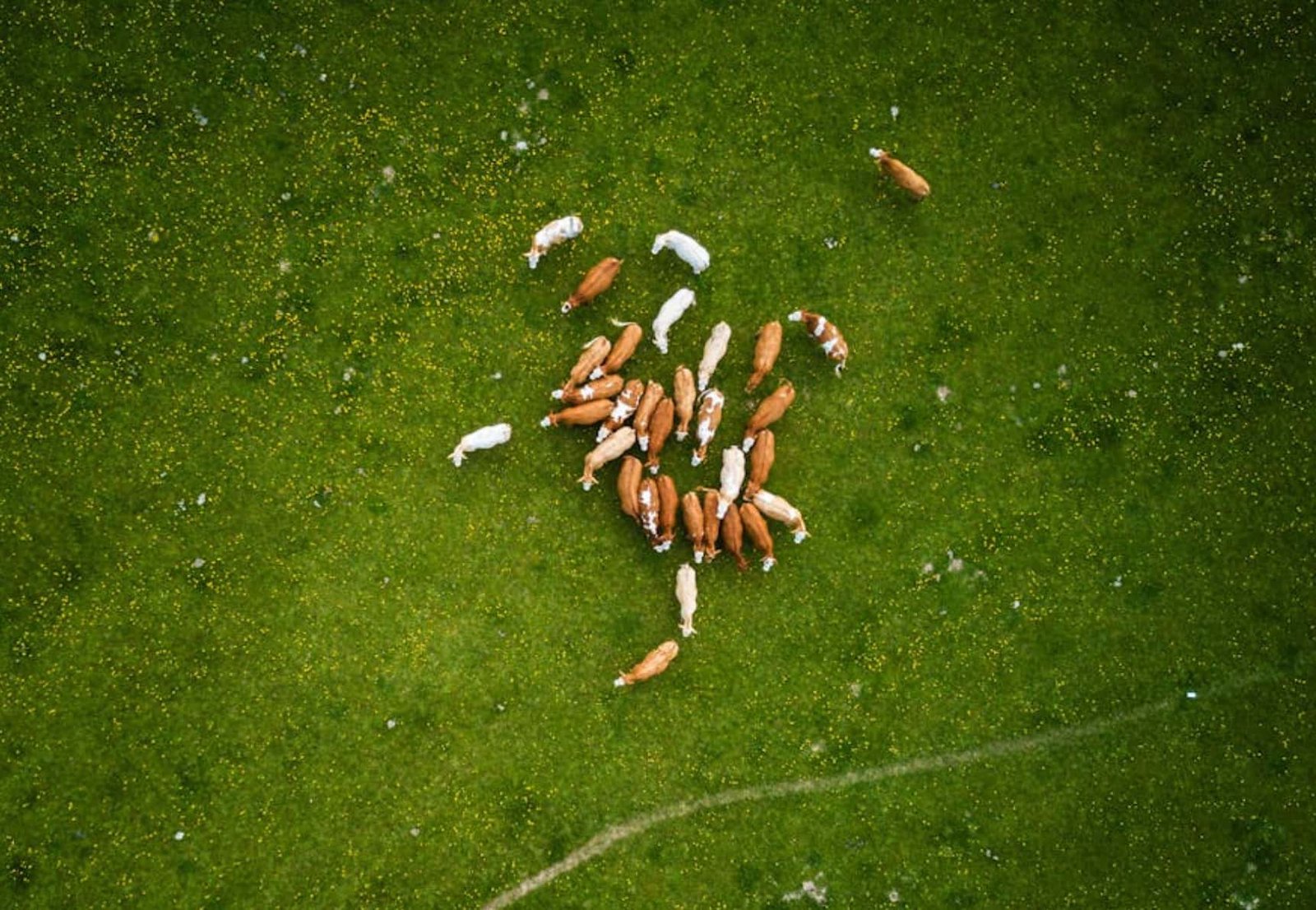
- Increase in Livestock Population: An increase in human population and livestock population often occurs side by side, which has an adverse effect on wild populations.
- Short-sightedness of Human Beings: Pollutants such as insecticides, industrial by-products in the form of gases and water pollutants, quarrying of minerals inside forests, and other such activities result in habitat shrinkage as well as death and disease among wild animals.
- Selfishness of Human Beings: Hunting, poaching, killing, smuggling, and other activities involving wild animals have caused considerable harm to wildlife.
- Unawareness among the General Public: The majority of people are poor and illiterate. They are unaware of the importance of wildlife and its role in ecosystems. They are not fully aware that wildlife is essential for ecological balance and is ultimately essential for human life.
- Lack of Scientific Knowledge Related to Wildlife: Generally, people or the majority of people do not understand the ecological and scientific value of wildlife and, hence, do not hesitate to hunt or kill wild animals. They are unable to comprehend the losses associated with wildlife and their consequences. It is essential to have knowledge about the structure and dynamics of wildlife populations, their relationships with their habitats, and their interactions with people.
Measures for Effective Wildlife Conservation
For effective conservation of wildlife, three basic needs—adequate food and water and a place to breed safely—should be fulfilled.
To achieve this, the following measures are practiced:
- Reserved forests, national parks, and sanctuaries are left unexploited; where complete protection from exploitation is not possible, forest-cutting operations are carried out in limited blocks at a time.
- Growing a single variety of plant is discouraged as far as possible; instead, mixed vegetation is encouraged.
- Natural openings in forests, waterholes, and riversides are guarded against poachers.
- Controlled burning of grasslands, to increase forage and preserve organic materials in the soil, is carried out in blocks with unburned areas in between.
- Provisions for dust baths and artificial salt licks are made in forests to maintain the normal health of animals.
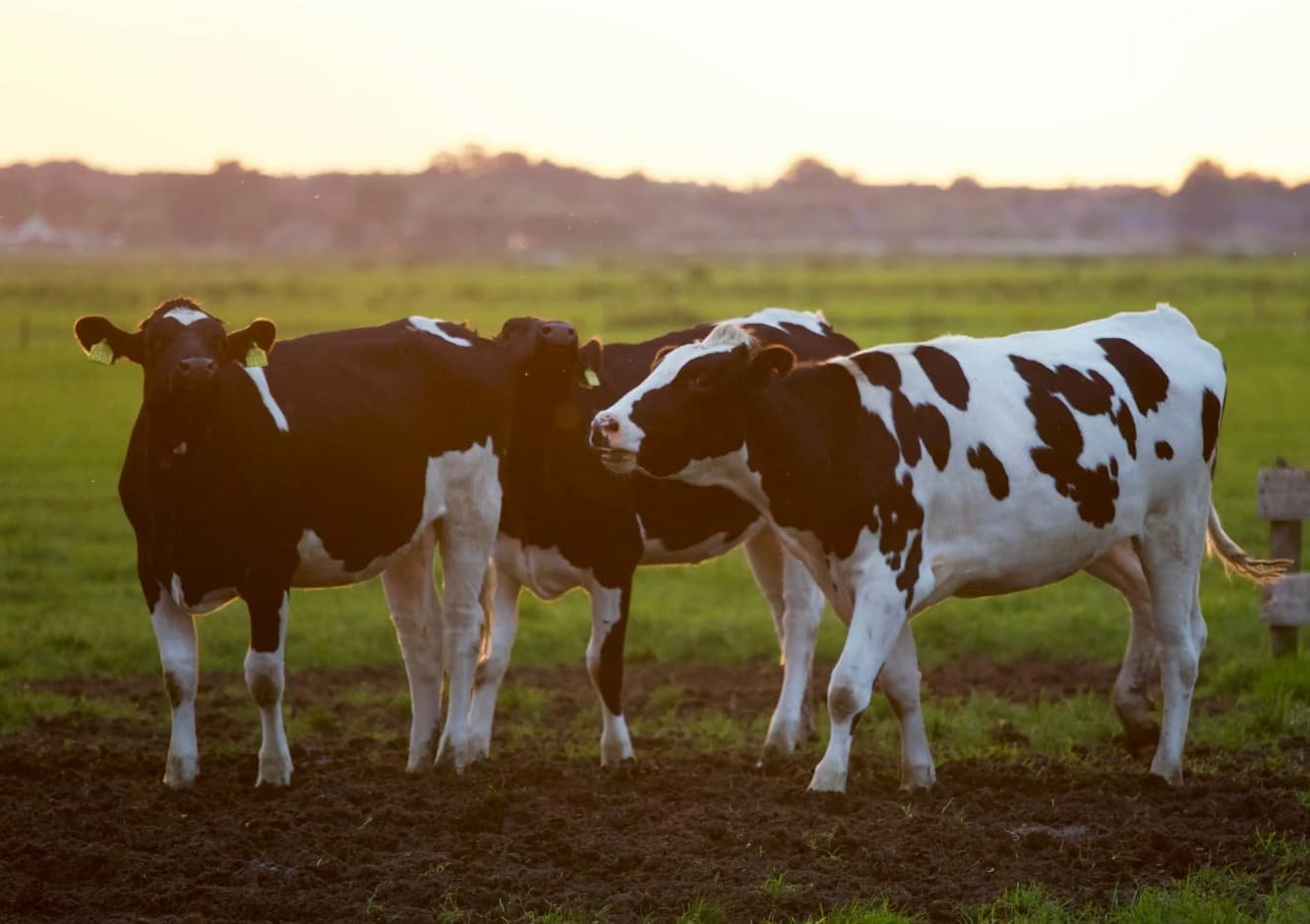
- Grazing by domestic livestock is harmful to wild animals, as the latter can never compete successfully with domestic stock. Moreover, domestic stock may be responsible for transmitting several contagious diseases. Hence, grazing by domestic livestock in protected areas is avoided as far as possible.
- Scientific studies by qualified personnel on threatened animal species are encouraged in order to assess and improve their status, including through captive breeding and rehabilitation in suitable habitats.
Several such measures have been undertaken and are in operation, but many more are needed to check the decline of wildlife and create conditions in which it can flourish with its diversity in natural habitats.
To sum up, the only permanent solution to the problems of wildlife protection, which is part of the broader problem of protecting the biosphere and its component ecosystems, lies in a proper understanding of the living world and in reorienting the human outlook in a proper and progressive direction.