CONTENT
Livestock Production Systems: Types, Classification and Farming Methods
Livestock production systems are considered to be a subset of farming systems. The classification criteria are limited to three: integration with crops, relation to land, and agroecological zone.
Livestock production systems refer to different methods of rearing livestock based on feeding, land use, management, and integration with crop farming. These systems include intensive, semi-intensive, extensive, and mixed farming systems commonly practiced in tropical and subtropical regions.
Solely Livestock Production Systems
Livestock systems in which more than 90 percent of the dry matter fed to animals comes from rangelands, pastures, annual forages, and purchased feeds, and less than 10 percent of the total value of production comes from non-livestock farming activities.
1. Landless Livestock Production Systems
A subset of solely livestock production systems in which less than 10 percent of the dry matter fed to animals is farm-produced and in which annual average stocking rates are above ten livestock units (LU) per hectare of agricultural land.
2. Grassland-based Systems
A subset of solely livestock production systems in which more than 10 percent of the dry matter fed to animals is farm-produced and in which annual average stocking rates are less than ten LU per hectare of agricultural land.
Mixed Farming Systems
In mixed farming systems, livestock systems in which more than 10 percent of the dry matter fed to animals comes from crop by-products or stubble, or more than 10 percent of the total value of production comes from non-livestock farming activities.
1. Rain-Fed Mixed Farming Systems
A subset of the mixed systems in which more than 90 percent of the value of non-livestock farm production comes from rain-fed land use.
2. Irrigated Mixed Farming Systems
A subset of the mixed systems in which more than 10 percent of the value of non-livestock farm production comes from irrigated land use.
In general, husbandry systems are usually classified as intensive, semi-intensive, and extensive, but in the tropics and subtropics these distinctions are sometimes less instructive than those between sedentary, transhumant, and nomadic systems.
Intensive System
In the intensive system, all the operations are confined to one place (under one roof), and animal movement is restricted, which facilitates mechanization and greater production control.
Poultry, pigs, and rabbits are more suitable for this system. In developed countries, dairy animals are also maintained under the intensive system.
Semi Intensive System
In semi intensive system, the animals are confined during part of the day under a roof and allowed to graze during daytime. During confinement, concentrate feeding is done. This system of rearing is more suitable for dairy animals, goats, and to some extent sheep.
Extensive System
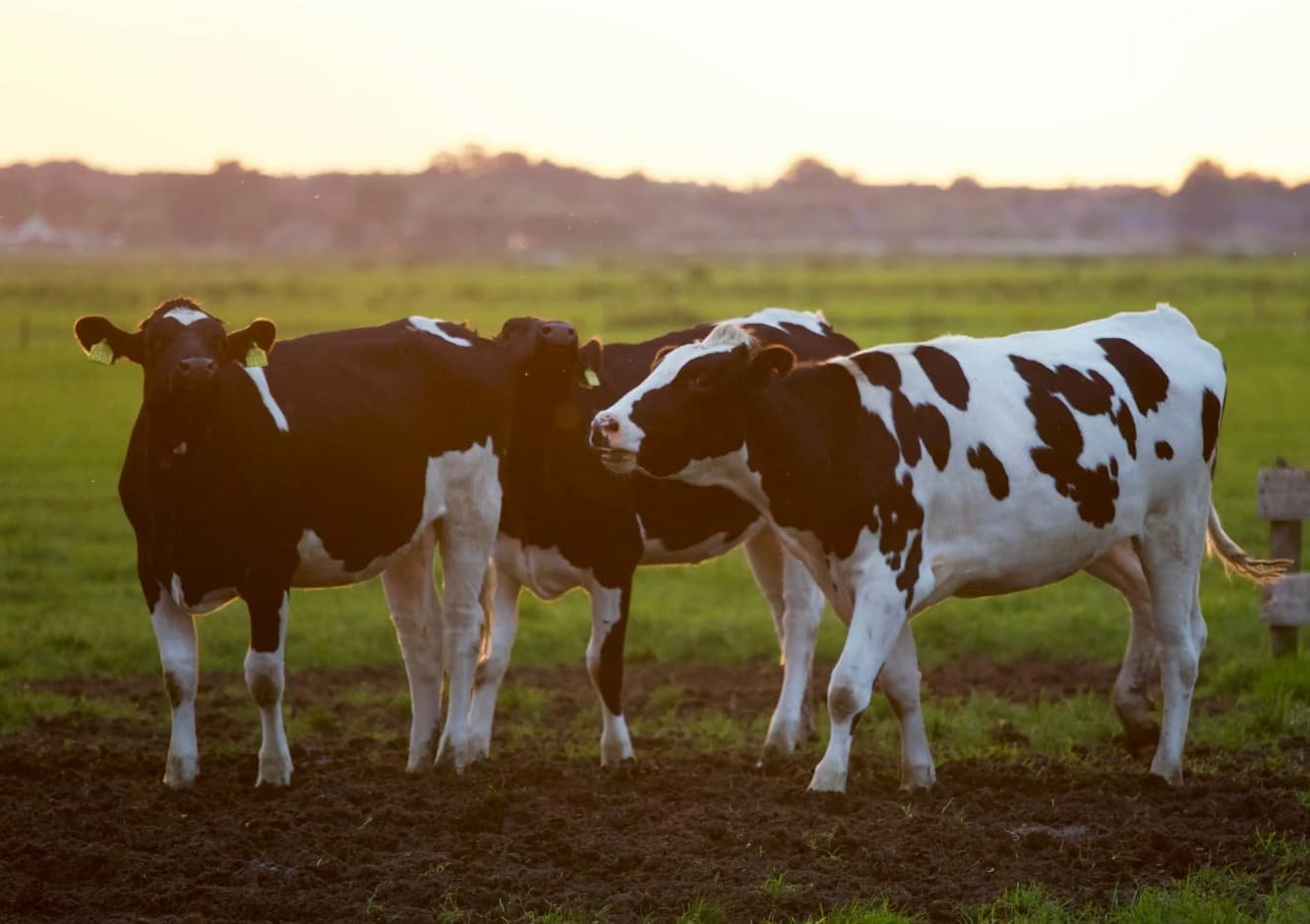
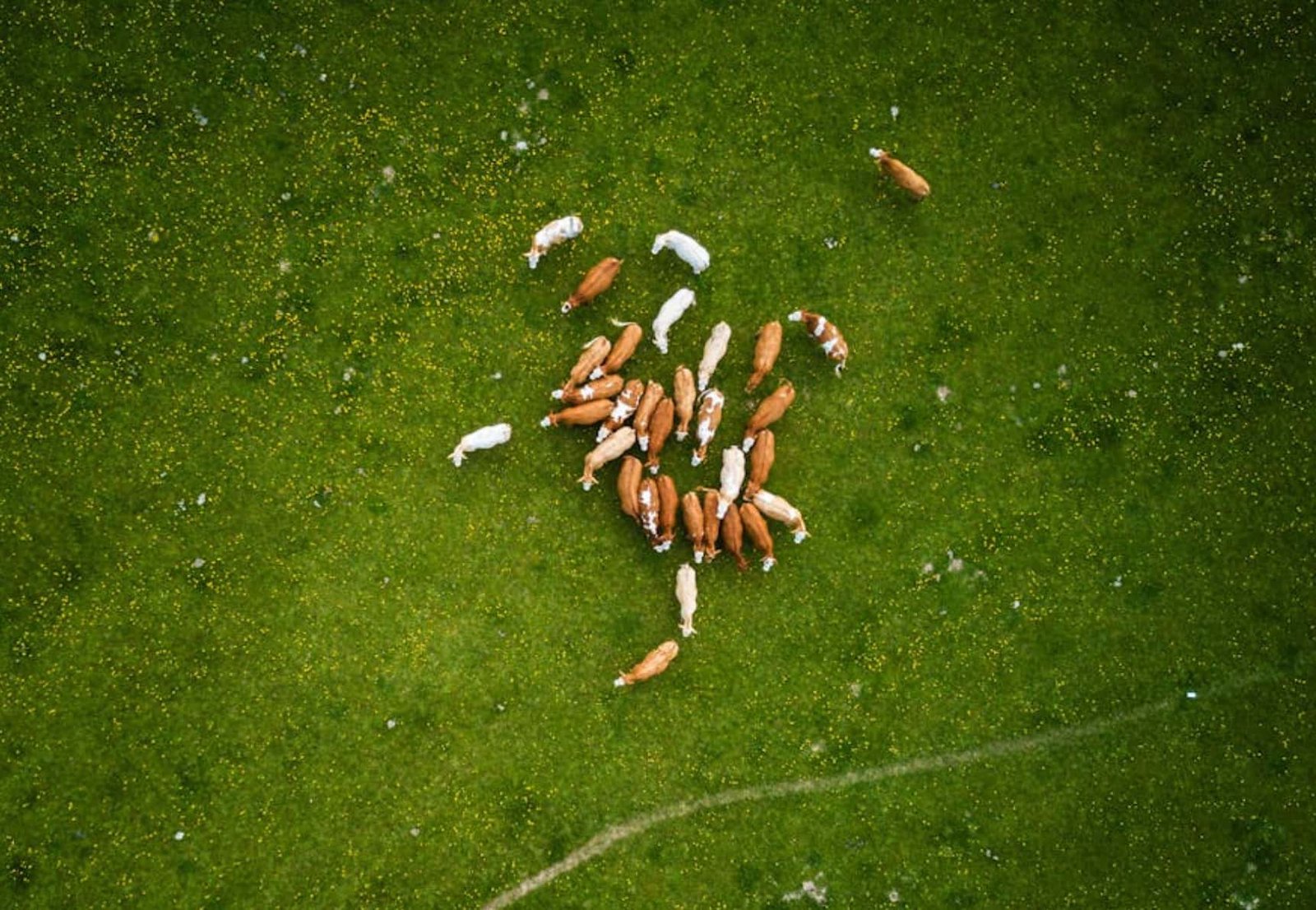
In extensive system, the livestock are kept on grassland, and all the operations are carried out in open places. Small shelters are made for young animals during extreme weather conditions.
Devendra and Burns (1983) surveyed husbandry systems in southern Asia and related them to ecological zones. They included tethering as a husbandry system of major importance in the humid zones of this area. It may also be regarded as a semi-intensive system practiced by sedentary small farmers, or even as a method of control alternative to fencing or housing.
Meat and dual production systems which is common in the tropical countries can be classified as:
- Extensive (migratory, free range, pasture or range grazing).
- Semi-intensive (pasture or range grazing, use of supplementary feeding mainly on crop residues and conserved roughage).
- Intensive (grazing on improved pastures, zero grazing, conserved forage, crop residues and increased use of concentrates).
- Tethering (small size flocks of 2-10 animals). This is a subsistence family system and the animals live on kitchen remnants crop residues, grazing near inhabited areas and other supplementary feed.
In the migratory system, sheep and goat farmers make use of the seasonal pastures located in different areas. In the mountainous regions of Asia, Europe, and North America, climatic conditions limit the growth of vegetation in winter, and so flocks are moved to lowlands; in summer, flocks are moved to highlands where feed is available.
In the semi-arid and arid regions, land use is seasonal, and movement of the animals is dictated by rainfall and availability of grazing.